August 12, 2026 · asma
5 Best Backlink Checker Tools for Beginners and Small Businesses
Discover the 5 best backlink checker tools for beginners and small businesses. This guide compares Ahrefs, Semrush, Moz, Ubersuggest, and SEOWorx, covering their key features, backlink metrics, competitive analysis capabilities, and practical use cases to help you choose the right tool for improving your backlink profile and SEO performance.
Choosing the right backlink checker matters because backlinks still influence visibility, authority, organic traffic, and long-term link building performance. For beginners and small businesses, the best tool is not always the most complex one—it is the tool that makes your backlink profile understandable, shows referring domains clearly, highlights external backlinks, and provides SEO metrics you can act on.
A strong backlink checker should help you evaluate link quality, link quantity, anchor text, dofollow links, nofollow links, referring pages, linked domains, and link status without overwhelming you. The tools below are especially useful for small teams that need backlink data, competitive analysis, and practical link opportunities.
Tool #1: Ahrefs Free Backlink Checker — Best for Quick Backlink Snapshots
The Backlink Checker by Ahrefs is one of the easiest ways to get a fast overview of any website’s backlink profile. Ahrefs is known for having a large backlink database and a powerful web crawler, making it a reliable option when you want quick backlink data without immediately committing to a paid plan.
For beginners, the free backlink checker is especially helpful because it shows core SEO metrics such as Domain Rating (DR), Ahrefs Rank (AR), referring domains, backlinks, and external backlinks. Domain Rating helps estimate the strength of a site’s backlink profile, while Ahrefs Rank gives a broader sense of how a domain compares across the Ahrefs index. These SEO metrics are useful when prioritizing link building targets or reviewing SEO competitor research.
What beginners can learn from Ahrefs
Ahrefs makes it easy to spot new backlinks, lost backlinks, followed links, unfollowed links, and the link type associated with external backlinks. You can also review anchor text patterns to understand how other sites describe your brand, products, or content.
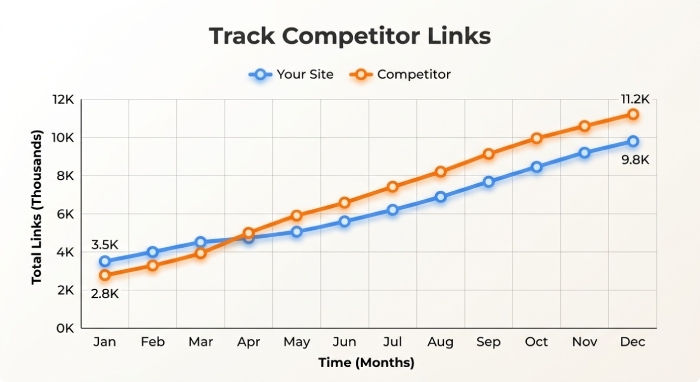
For small businesses, this is valuable because your backlink profile should grow naturally alongside organic traffic. If you see many low-quality external backlinks, irrelevant referring domains, or signs of link spam, you can investigate further and decide whether cleanup, outreach, or even a disavow review is necessary through tools such as the Google Disavow Tool.
Best use case for Ahrefs
Use Ahrefs when you need a fast backlink checker for domain comparison, competitor snapshots, and evaluating whether a site has enough referring domains to support better organic traffic and sustainable link building.
Tool #2: Semrush Backlink Analytics — Best for Competitive Backlink Research
Backlink Analytics by Semrush is ideal for small businesses that want more than a basic backlink checker. Semrush combines backlink analytics, competitive analysis, SEO competitor research, and authority score data in a clean interface.
The SEMrush Backlink Checker pulls from the Backlink Analytics database and helps you review referring domains, external backlinks, inbound links, outbound links, anchor text, backlink growth, and historical backlinks. The Authority Score metric is Semrush’s way of estimating overall domain strength, similar in purpose to domain rating, though calculated differently.
Why Semrush works well for competitors
Semrush is particularly strong when comparing your backlink profile against SEO Competitors. You can examine All Backlinks, Broken Backlinks, New Backlinks, referring domains, linked domains, and backlink filters to identify link opportunities your competitors have already earned.
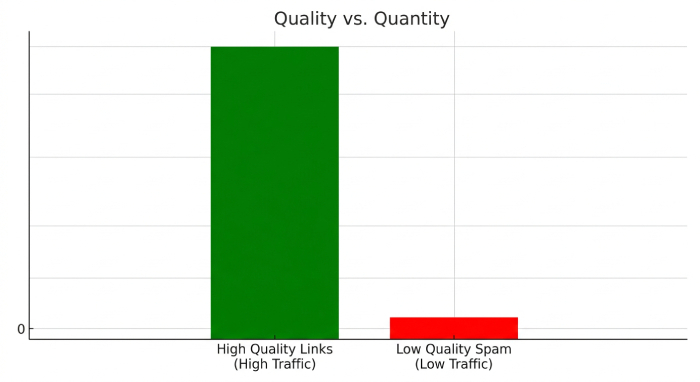
For example, if a competitor has backlinks from industry blogs, partner directories, or “best by links” pages, those referring pages may become outreach targets. Semrush also helps you monitor link status, distinguish**** dofollow links from nofollow links, and assess whether a backlink profile is driven by link quality or merely link quantity.
Exporting and reporting
Small businesses that need client or executive reporting can benefit from export report options, including CSV export and PDF export workflows. This makes backlink monitoring easier because you can document backlink growth, lost backlinks, and new backlinks over time.
When Semrush is strongest
Semrush is best when you need competitive analysis, backlink analytics, keyword visibility context, and organic traffic insights in one platform. It is more robust than a simple backlink checker and better suited for ongoing link building campaigns.
Tool #3: Moz Link Explorer — Best for Beginner-Friendly Link Metrics
Moz Link Explorer is a strong backlink checker for beginners who want simple, approachable SEO metrics. Moz is widely known for Domain Authority, Page Authority, and spam-related indicators, which can help small businesses evaluate link quality before pursuing link building opportunities.
Moz makes link analysis accessible by showing inbound links, linking domains, anchor text, page-level metrics, and top linked pages. While Ahrefs emphasizes Domain Rating and Ahrefs Rank, Moz focuses on its own authority score-style metrics that many marketers still use for quick backlink profile evaluation.
Where Moz is especially helpful
Moz is useful when you want to understand whether your external backlinks are coming from reputable referring domains or questionable sources. Beginners can use it to check linkworthy pages, review referring pages, compare competitors, and identify whether certain backlinks may be helping or hurting organic traffic.
Moz is also a good fit for small teams that do not want to dig into every technical backlink index detail. Instead, they can review the backlink profile at a high level, check important SEO metrics, and then decide where to focus outreach and link building.
Tool #4: Ubersuggest Backlink Checker — Best Budget Option for Small Businesses
The Ubersuggest backlink checker is a budget-friendly option for small businesses that want backlink data, referring domains, organic traffic estimates, and competitive insights without enterprise pricing. It is not as deep as Ahrefs or Semrush, but it is simple enough for beginners and practical enough for small business SEO.
Ubersuggest helps you review backlinks, external backlinks, domain authority-style metrics, anchor text, source pages, and link opportunities. If your main goal is to understand who links to your competitors and which content earns backlinks, it can be a very approachable tool.
Practical link building value
For small businesses, Ubersuggest is useful for finding link building prospects quickly. You can look at competitor referring domains, identify content that attracts backlinks, and prioritize outreach based on relevance and authority.
It can also support backlink monitoring by helping you notice new backlinks or lost backlinks. While its backlink database may not match the scale of Ahrefs or the Backlink Analytics database from Semrush, it provides enough SEO metrics for many early-stage campaigns.
Tool #5: SEOWorx — Best for Backlink Analysis and SEO Reporting
SEOWorx is a practical choice for users who want backlink analysis alongside broader SEO reporting. The SEO Chrome extension can support quick page checks, reporting workflows, and SEO visibility reviews, making it useful for small business owners, freelancers, and beginner SEOs who need fast insights without switching between too many platforms.
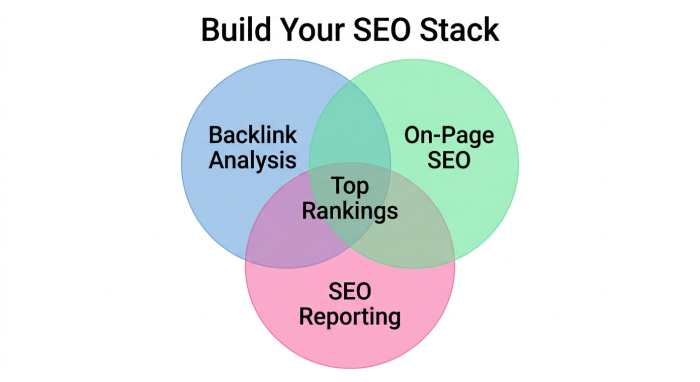
A tool like SEOWorx fits well into a backlink checker workflow because backlink analysis rarely happens in isolation. You also need to understand on-page SEO, page-level metrics, organic traffic potential, internal optimization, and how link building supports search performance.
How SEOWorx fits into a small-business SEO stack
Small businesses can use SEOWorx with dedicated backlink checker tools to create a more complete view of their backlink profile. For instance, you might use Ahrefs for Domain Rating, Ahrefs Rank, referring domains, and external backlinks; Semrush for backlink analytics and Authority Score; and SEOWorx for fast SEO reporting and page checks.
This combination helps connect backlinks to real business outcomes. Instead of only tracking link quantity, you can evaluate link quality, content relevance, technical issues, and organic traffic improvements.
Other Backlink Checker Tools Worth Knowing
Several other tools are useful for beginners who want extra backlink data or a second opinion. SEO Review Tools offers SEO Content Tools and SEO Authority tools, including backlink-related utilities that can help SEO Review Tools members review valuable backlinks, referring domains, and basic authority signals.
SE Ranking’s backlink checker is another solid option for backlink monitoring, historical backlinks, backlink filters, and competitor comparisons. It can help small businesses track backlink growth and evaluate link opportunities over time.
For simple checks, Seobility’s backlink checker can help users inspect inbound links, external backlinks, referring domains, and link status without a steep learning curve.
How to Choose the Right Backlink Checker
The best backlink checker depends on your goals. If you need quick snapshots, Ahrefs is excellent. If you need competitive analysis and Backlink Analytics (Semrush), Semrush is stronger. If you want beginner-friendly SEO metrics, Moz is easy to understand. If budget matters most, Ubersuggest is attractive. If you need reporting support, SEOWorx can complement your backlink analysis workflow.
For technical SEO teams, factors such as backlink index size, backlink database freshness, web crawler coverage, broken links detection, and export report functionality matter. A Broken links report, Anchors report, Linked domains report, and Best by links report can all reveal practical link building opportunities.
Google has repeatedly emphasized the importance of earning relevant, quality links rather than manipulating rankings. That means your backlink profile should be built through useful content, outreach, partnerships, digital PR, and linkworthy pages—not link spam. If harmful backlinks become a serious issue, review them carefully before using any Disavow Tool or the Google Disavow Tool.
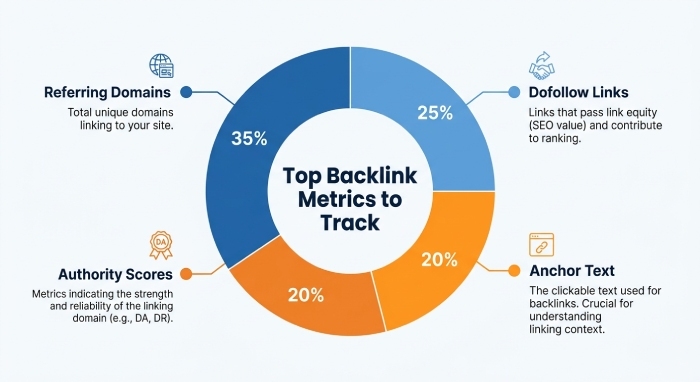
Key Backlink Metrics Beginners Should Track
Beginners should focus on a manageable set of SEO metrics: referring domains, total backlinks, external backlinks, dofollow links, nofollow links, anchor text, link status, domain rating, Ahrefs Rank, Authority Score, and organic traffic trends.
Domain Rating (DR) and Ahrefs Rank (AR) are especially helpful when using Ahrefs. Domain rating helps you estimate backlink profile strength, while Ahrefs Rank shows relative domain strength across the Ahrefs ecosystem. However, no single metric tells the full story. A site with fewer backlinks but stronger referring domains may outperform a site with thousands of weak external backlinks.
The most important goal is to connect backlink data to link building decisions. Track which referring domains send valuable inbound links, which content attracts new backlinks, which pages have broken links, and which competitors are earning better links. Over time, this helps improve organic traffic, strengthen your backlink profile, and build a healthier foundation for SEO growth.